
By SKM
November 19, 2026
ISLAMABAD: Pakistan’s textile industry has called for an immediate package of policy reforms, including a minimum 8% Drawback of Local Taxes and Levies (DLTL) rebate, to boost exports by $3 billion in the short term and up to $10 billion over the next three to five years.
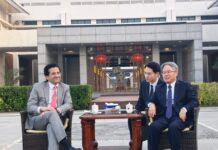
The demand was raised by a high-level delegation of the All Pakistan Textile Mills Association (APTMA) during meetings with Minister of State for Finance Bilal Azhar Kayani, Coordinator to the Prime Minister on Commerce and Industries Rana Ihsaan Afzal, and Commerce Secretary Jawad Paul in Islamabad.
The delegation stressed that Pakistan’s textile exporters were facing mounting cost pressures and losing competitiveness against regional rivals that benefit from lower energy tariffs, tax concessions and other export incentives.
APTMA proposed an DLTL rebate of at least 8% to offset federal and provincial taxes and levies embedded in the cost of exports, arguing that these additional costs cannot be passed on to international buyers.
The proposed rebate, the association maintained, would help restore a level playing field for Pakistani exporters and unlock significant untapped export potential.
Energy pricing, taxation, customs procedures, GSP+ compliance and export financing were among the key issues discussed during the meetings. The delegation also called for improvements in the Federal Board of Revenue’s (FBR) Production Monitoring System (PMS) and greater facilitation under the Export Finance Scheme (EFS) and Long-Term Export Growth Financing Facility (LTEGFF).
APTMA emphasized that easier access to working capital and long-term investment financing was essential to expanding industrial capacity, encouraging fresh investment and moving towards higher-value textile production.
The association also highlighted the potential for Pakistani textile brands to establish a stronger international presence, increase value addition and develop direct access to overseas markets.
The government representatives acknowledged the importance of engagement with the textile industry, while both sides agreed to maintain consultations on outstanding policy issues and proposed reforms aimed at supporting industrial investment and accelerating export growth.
The APTMA delegation was led by Chairman Asad Shafi and included Vice Chairman Anees Khawaja, Chairman North Siddique Javaid Siddiqui, Senior Vice Chairman North Habib Anwar, Vice Chairman North Muhammad Ali Chaudhry, CEC members Haroon Elahi and Faisal Shakeel, Secretary General Raza Baqir, Energy Advisor Asim Riaz, Senior Economist Syed Absar Ali and Trade Economist Sarah Javed. Ends