By SKM
February 25, 2026
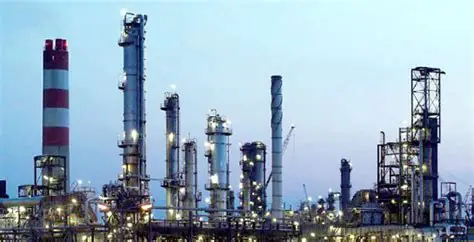
ISLAMABAD: Pakistan’s petroleum authorities have proposed key amendments to the Brownfield Refinery Policy 2023 in a last-ditch bid to revive a stalled $6 billion refinery upgrade plan, officials told EXclusivewaves.com.pk. The revised framework is set to be presented to the visiting International Monetary Fund (IMF) delegation.
The project, designed to modernize domestic refineries and produce Euro-V compliant fuels, has remained frozen since the Finance Bill for FY25 exempted petrol, diesel, kerosene, and light diesel oil (LDO) from sales tax. The move, intended to relieve consumers, inadvertently blocked refineries from claiming input tax adjustments, undermining the financial feasibility of the upgrade.
Under the proposed amendments, the Petroleum Division seeks restoration of sales tax holidays on imported refinery machinery, plants, and spare parts — mirroring incentives offered under the Greenfield policy. Officials are also pushing to lock in the Rs1.87 per litre Inland Freight Equalization Margin (IFEM) for six to seven years and include a stability clause to guarantee long-term policy predictability.
The incentive mechanism is also set for overhaul. Previously, refineries deposited incentive amounts into escrow accounts regulated by the Oil and Gas Regulatory Authority (OGRA). The new proposal would pool funds collectively, allowing refineries to withdraw up to 27.5 percent of their share as needed for project execution.
Industry executives warned the delays have already cost the economy heavily. “Had the Brownfield policy been implemented in 2020, the upgrade would have been done by 2025, generating at least $2 billion in benefits,” said a senior refinery official. “If the project starts in 2026, Pakistan could face $10–11 billion in cumulative losses over the next five years due to continued imports of higher-grade fuels.”
The FY25 GST exemption disrupted the tax-adjustment mechanism central to refinery economics, halting new investment in the sector. IMF tax experts rejected compromise proposals, insisting Pakistan implement the full 18 percent GST on petroleum products — a move officials warn could hike petrol and diesel prices by around Rs50 per litre. Islamabad had suggested a reduced 0–3 percent GST for petroleum products and refinery machinery, but the IMF dismissed it, proposing instead full GST offset by a cut in the petroleum levy — an option rejected by Pakistani authorities due to provincial revenue-sharing rules.
Earlier, the government temporarily increased the IFEM by Rs1.87 per litre, helping refineries offset Rs35 billion in losses, but the facility was withdrawn in June 2025. The sector now faces fresh losses of around Rs30 billion, intensifying operational pressures on refineries and oil marketing companies.
So far, only Pakistan Refinery Limited (PRL) has signed an implementation agreement. Other refineries remain on hold due to policy uncertainty and difficulties securing the 70 percent debt financing component of the upgrade plan.
The initiative, approved in August 2023, aims to attract $6 billion in domestic and foreign investment over seven years, double petrol output, raise high-speed diesel production by 50 percent, and cut furnace oil output by 80 percent — reducing imports and easing storage constraints.
The Special Investment Facilitation Council (SIFC) had previously urged stronger incentives to ensure the plan’s execution. Meanwhile, the Oil Companies Advisory Council (OCAC) warned that further delays could cost at least $5 billion in foreign exchange.
“Government indecision is stalling the entire project and shaking investor confidence,” said OCAC Chairman Adil Khattak.
With refinery margins squeezed, financing uncertain, and IMF approval pending, the fate of Pakistan’s largest industrial upgrade now hinges on whether policymakers can balance fiscal realities with urgent energy reforms. Ends