
By SKM
April 19, 2025
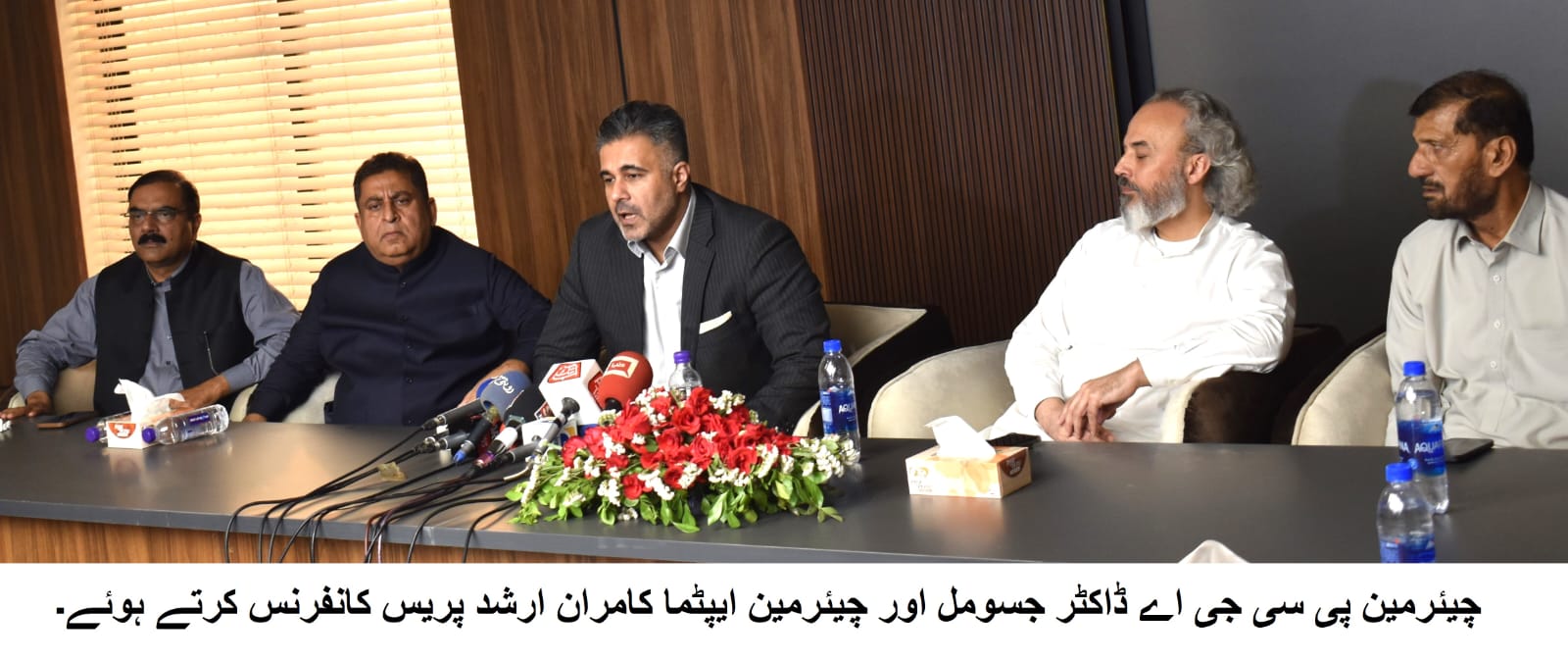
ISLAMABAD: In a positive development, the All Pakistan Textile Mills Association (APTMA) and Pakistan Cotton Ginners Association (PCGA) have agreed to introduce the National Cotton Policy (NCP). Pakistan Kasaan Ittehad will also be taken on board for the cotton sowing at the maximum in the country.
In the wake of the previous government policies including withdrawal of the Export Facilitation Scheme (EFS) from the domestic value chain of textile industry, and many others are operating below 50 percent utilization, teetering on the edge of closure. As many as 120 Spinning Mills and 800 Ginning Factories have so far been shut down.
According to the press release of Pakistan Cotton Ginners Association, they also said that restoration of EFC for domestic value added chain is must as it will make the closed units operational again.
“Thousands of jobs have been lost. Similar trends are observed in the weaving sector, and the disruption will soon spill over further downstream, and destabilize the entire textile value chain.”
APTMA Chairman Kamran Arshad said that the viability of local cotton is further undermined by the EFS sales tax disparities, while cotton production is at a historic low of 5 million bales and is expected to decline further.
He urged the government to immediately address the sales tax disparity between local and imported supplies for exports and create a level playing field for the industry.
“The first best solution is to restore the Export Facilitation Scheme (EFS) to the June 2024 position with zero-rating on local supplies for exports. However, the International Monetary Fund (IMF) did not agree to this despite repeated efforts on the part of the industry and the government,” he said.
“Under this scenario, the only viable alternative is to implement a negative list of high-risk imports under EFS, which includes all yarn and cloth. It will ensure level playing field,” he added.
Chairman Pakistan Cotton Ginning Association Dr Jassu Mal also stressed initiating joint endeavors to restore the spinning, ginning and textile sector in the country and to this effect, he vowed to make Kasaan Ittehad a part of the struggle. They also asked the government to impose sales tax on imports of cotton and cloth to ensure the level playing field. In the wake of irrational policies, Pakistan came down to 8th from 4rth ranks in the cotton exporting countries. The domestic cotton production has plunged to just 5 million bales from 14 million bales. Pakistan is no more in the race between USA, China and India for cotton production. They also asked the government to extend the bailout package to restore the spinning and ginning units on war footing basis to generate jobs in the textile industry. They urged the government to take on board farmers, ginners and textile mill owners for making the national cotton policy. Ends