By SKM
November 4, 2026
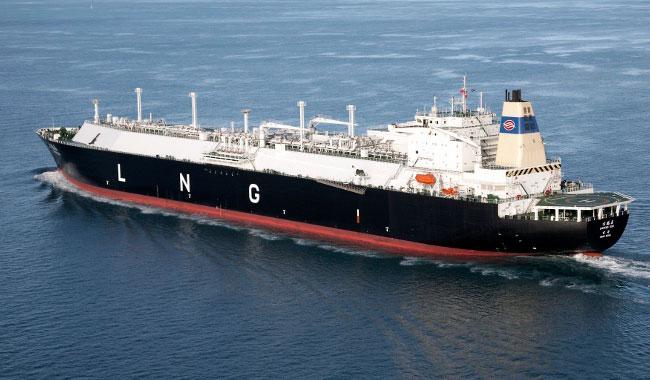
ISLAMABAD: Pakistan has moved to procure expensive spot liquefied natural gas (LNG) cargoes for the peak winter months, with delivered prices expected to reach $33.50-$34 per million British thermal units (MMBtu), as mounting security risks in the Strait of Hormuz threaten energy supplies and intensify concerns over a widening gas deficit.
Following approval from the prime minister, Pakistan LNG Limited (PLL) on Wednesday issued tenders for two spot LNG cargoes, one each for December and January, seeking to secure additional supplies amid rising domestic demand and disruptions to shipping in the region.
The tender seeks bids for one cargo to be delivered during December 14-16 and another during January 9-11. International LNG trading companies have been asked to submit bids by November 6 (Friday), with the bids to be opened on the same day. PLL will award contracts after technical and commercial evaluation but reserves the right to reject all bids.
The procurement comes amid a sharp surge in international LNG prices, which have climbed to around $32 per MMBtu. After factoring in insurance premiums, war-risk surcharges, freight and port handling charges, the delivered cost of LNG is estimated to reach $33.50-$34 per MMBtu.
The high procurement cost is likely to increase the cost of electricity generated through regasified LNG (RLNG), potentially translating into higher power tariffs and adding to the financial burden on consumers.
Pakistan’s LNG requirement stands at nine cargoes for December and 11 for January, reflecting heightened winter demand. However, given the deteriorating security situation around the Strait of Hormuz, authorities are attempting to arrange only eight to 10 cargoes for each of the two months.
The supply situation has become more uncertain following attacks on Pakistan-bound and Bangladesh-bound LNG vessels before they entered the Strait of Hormuz. In the latest reported developments, four oil tankers were struck by mines in the strategic waterway, further raising concerns over the safety of energy shipments.
The National Crisis Management Centre (NCMC) is closely monitoring developments and remains in contact with Iran to secure three to four LNG cargoes each for December and January.
With the anticipated shortfall threatening supplies to consumers, both Sui gas companies—SNGPL and SSGC—have enforced gas load management for the domestic sector from Wednesday.
Under the revised schedule, households across the country will receive gas during three daily windows: 6:30am to 9:00am, noon to 2:30pm and 6:00pm to 9:00pm, effectively restricting supplies to cooking hours.
The authorities are also considering further gas curtailment during December and January, particularly to power, fertiliser, export-oriented and non-export industrial sectors, as the country prepares to manage limited supplies during the peak winter months.
The anticipated gas deficit is expected to be passed on to all categories of consumers, while expensive LNG imports could compound the pressure on energy costs and electricity tariffs.