
By SKM
August 28, 2026
ISLAMABAD: Pakistan’s five oil refineries are poised to sign long-awaited upgradation agreements next month, paving the way for an estimated $6 billion investment aimed at overhauling the country’s ageing refining infrastructure and cutting dependence on imported fuel.
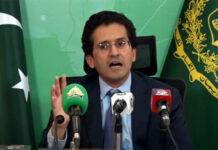
The development came after Petroleum Minister Ali Pervaiz Malik held meetings in Karachi with the managements of PARCO, Pakistan Refinery Limited (PRL), National Refinery Limited (NRL), Cnergyico and Attock Refinery Limited (ARL) to take stock of progress under the government’s Brownfield Refinery Upgradation Policy.
All five refineries told the minister they had completed the necessary preparations and were ready to sign the agreements, which are expected to be concluded early next month.
The signing would represent a major step towards translating the government’s refinery modernisation policy into actual investment, with the programme expected to attract around $6bn into Pakistan’s downstream petroleum sector.
Under the planned upgrades, domestic refineries would be equipped to produce Euro 5-compliant petrol and diesel, potentially reducing Pakistan’s growing reliance on imported refined petroleum products.
The government believes greater domestic production of higher-quality fuels could also help reduce import costs and, over time, put downward pressure on the prices of petrol and diesel.
Malik told refinery managements that timely implementation of the policy was critical for the long-term sustainability of the sector and the country’s energy security.
He also assured the industry that the government would continue to facilitate the companies in resolving issues that could delay implementation.
Hormuz crisis puts supply security in focus
The meetings also highlighted the vulnerability of Pakistan’s petroleum supply chain to disruptions in international shipping and regional tensions.
During his meeting with PARCO, the minister reviewed the company’s financial and operational performance and its broader plans to strengthen Pakistan’s energy security.
Malik praised PARCO for maintaining operations during the Strait of Hormuz crisis, saying Pakistan had successfully managed the disruption and kept the petroleum supply system running.
He stressed that ensuring uninterrupted fuel supplies and building resilient supply chains had become increasingly important for the country.
PARCO also briefed the minister on progress concerning the proposed Oil City at Hub, envisaged as a strategic energy terminal and storage complex.
The project is expected to strengthen petroleum storage capacity, improve trade connectivity and provide greater security of supply.
Refineries ready to move ahead
At PRL, the company’s managing director, board and management briefed Malik on its financial and operational performance and the steps taken to maintain refinery operations during the Hormuz crisis.
The minister also separately met the managements of Cnergyico, NRL and ARL to identify any remaining obstacles to implementation of the new refinery upgradation policy.
The managing directors confirmed that their companies had completed the required preparations and were ready to enter into the agreements.
ARL management stressed that upgrading existing refineries was becoming increasingly necessary as international fuel standards and market dynamics continued to evolve.
The government has positioned the refinery modernisation programme as a key component of its broader energy strategy, seeking to improve domestic refining efficiency, raise fuel quality and reduce exposure to imported petroleum products.
With all five refineries now signalling readiness to sign, September could mark a turning point for Pakistan’s long-delayed refinery modernisation drive—and potentially unleash billions of dollars in new investment into the sector.