By Dr. Irfan Ahmad Gondal (TI)
Green hydrogen is being celebrated as the silver bullet for the world’s climate crisis. Europe sees it as a ticket to energy independence, the Gulf is investing billions in mega-projects, and global industries are lining up to decarbonize through this “fuel of the future.” But for Pakistan, the story is far less romantic. Our reality, unfortunately, is shaded by the blues of green hydrogen.
On paper, Pakistan should be a natural player. We are blessed with year-round sunshine, strong coastal winds, and a 1,000 km-long shoreline ideal for export hubs. According to estimates, Pakistan has a renewable energy potential of over 150,000 MW from solar and wind alone. Theoretically, this could power a green hydrogen economy capable of reducing our $17–20 billion annual fuel import bill and even supplying countries hungry for carbon-free energy. Yet the gulf between theory and practice is vast.
The first problem is economics. Producing hydrogen through electrolysis powered by renewables is still prohibitively expensive—averaging $4–6 per kg globally, compared to less than $2 for fossil-based hydrogen. When our national grid itself cannot deliver affordable and reliable electricity to households and industries, dreaming of surplus clean power for hydrogen production feels detached from ground realities. Without deep-pocketed investors or international subsidies, Pakistan cannot compete with nations like the UAE and Saudi Arabia, who have already committed multi-billion-dollar projects to capture future hydrogen markets.
The second problem is our state of readiness. We lack electrolyzer manufacturing, have no tested supply chains for hydrogen transport, and our industrial base is not equipped to absorb such a disruptive change. Our universities and research centers, while engaged in pilot studies, remain underfunded and disconnected from industry.
And then comes the elephant in the room: policy paralysis. While nations such as India, Japan, and Germany have unveiled detailed hydrogen strategies, Pakistan is still debating whether one should exist. Our institutions—the Ministry of Energy, the Pakistan Engineering Council, and other regulatory bodies—are working in isolation. The result is a vacuum that discourages investors.
Instead, what we do see is a string of awareness seminars, photo opportunities, and souvenir distributions. These events, while useful for visibility, do little to address the hard questions of technology absorption, local manufacturing, or industrial adoption. It is as if we are celebrating the idea of green hydrogen without laying down the groundwork to actually build it.
Yet, Pakistan cannot afford to delay. We are among the top ten most climate-vulnerable countries in the world. Notwithstanding the current flood situation, the catastrophic floods of 2022, which displaced millions and wiped out billions in infrastructure, should have been our wake-up call. Green hydrogen is not a luxury—it could, if done right, reduce our energy import dependence, create green jobs, and open up new export avenues.
The “blues” of green hydrogen in Pakistan stem not from lack of potential, but from lack of urgency, clarity, and vision. The world will not wait for us to catch up. If we do not act now, we risk missing the bus entirely—and becoming spectators in a global energy revolution where we should have been participants.
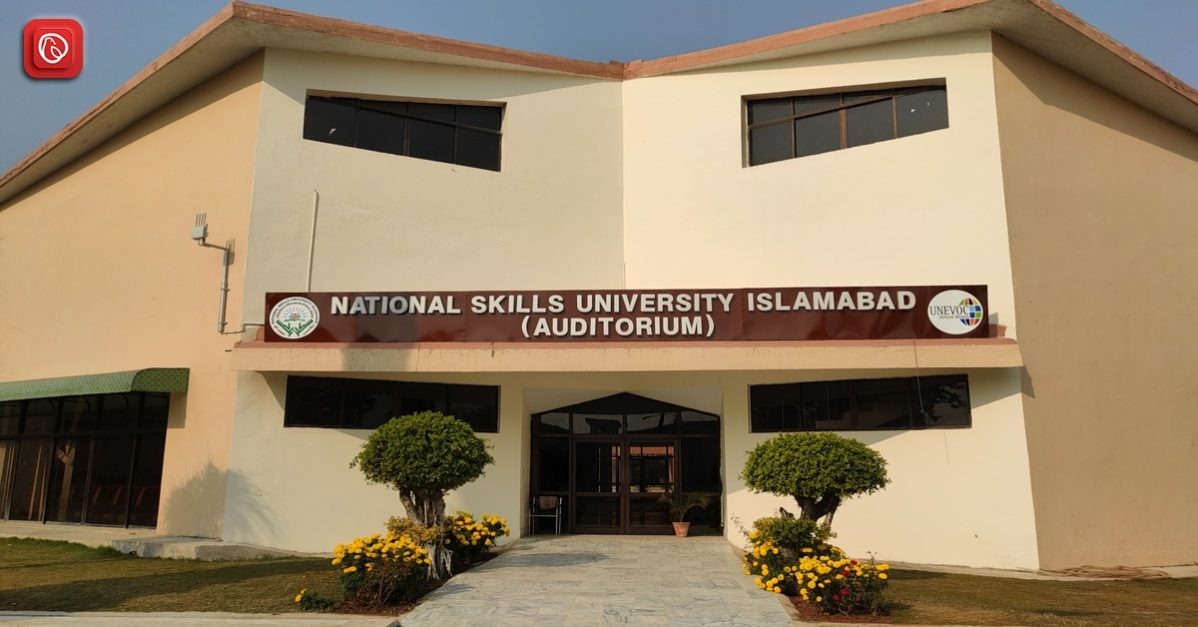
About the Author: Dr. Irfan Ahmad Gondal is Head of the Mechanical Engineering Technology Department at National Skills University, a member of the Executive Advisory Committee of the Pakistan Alternate Energy Association, and listed among the top 2% scientists globally. His research interests include renewable energy, climate change, and technology policy.