
By SKM
March 9, 2026
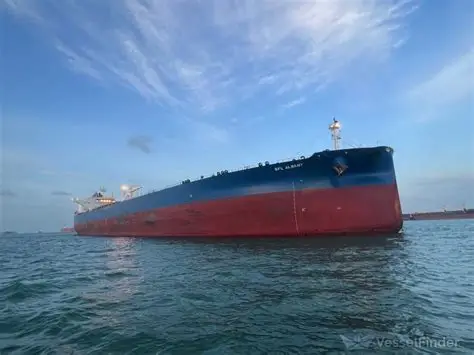
ISLAMABAD: Amid the unstable fuel supply chain on account of closure of Strait of Hormuz, Pakistan has requested the Kingdom of Saudi Arabia to dispatch a Very Large Crude Carrier (VLCC) carrying 2 million barrels of crude oil to the port of Oman on March 23, from where four Pakistani vessels are scheduled to collect the cargo. However, Saudi authorities have not yet confirmed whether the VLCC will dock at Oman or deliver directly to Pakistan waters, leaving uncertainty over the fuel supply chain.
According to industry sources, two ships from Pak-Arab Refinery Limited (PARCO), one from National Refinery Limited (NRL), and one from Pakistan Refinery Limited (PRL) are expected to take crude from the VLCC once it arrives.
Meanwhile, smaller shipments have already arrived. A PARCO cargo of 67,000 metric tons from Fujairah, Dubai, reached Monday night. PARCO’s PNSC vessel is expected at Yanbu port in the Red Sea on Tuesday –March 9 to fetch 70,000 barrels around March 19–20. Another shipment from Fujairah for PARCO carrying 70,000 barrels is scheduled to arrive on March 21. NRL has arranged 35,000 barrels after a brief pause, while PRL secured crude at a $6 per barrel premium from Fujairah.
Well-placed sources said Saudi Aramco is considering selling crude at spot market prices, but Pakistan’s fuel supply chain remains unstable. Crude prices at Dubai and Oman have surged to $125 per barrel, while Brent crude has risen to $118 per barrel. For Pakistan, Dubai and Oman crude are the benchmark, which have jumped $7 per barrel, pushing diesel prices to Rs179 per liter — an increase that could add Rs90 per unit, straining transport and agriculture sectors ahead of the planting season.
Experts warned that such a sharp spike in diesel costs could significantly increase input costs for farmers, undermining agricultural productivity and food security.
Critics have also targeted the government’s use of the Petroleum Levy (PL). Introduced as a shock absorber to shield consumers from international price volatility, the levy is now being used to generate revenue, with collections expected to exceed Rs1,700 billion by June 30, rather than cushioning the domestic market from fuel price shocks.
Analysts say the combination of high global oil prices, uncertain VLCC deliveries, and a revenue-driven PL is creating a perfect storm for Pakistan’s fuel market, highlighting the need for strategic planning, transparent pricing mechanisms, and timely policy interventions to stabilize domestic energy costs. Ends