By SKM
July 25, 2026
ISLAMABAD: The All Pakistan Textile Mills Association (APTMA) has objected to its exclusion from the Federal Board of Revenue’s (FBR) newly constituted Exporter Facilitation Committees and formally sought representation on the key panels, arguing that Pakistan’s largest export sector cannot be left out of a mechanism designed to resolve exporters’ tax disputes and facilitate trade.
In a letter to Member (Inland Revenue–Operations) Zubair Bilal, APTMA Secretary General Mohammad Raza Baqir urged the FBR to induct the Association’s nominees into the Central, Lahore and Faisalabad committees constituted under Circular No. 1(500)SA-M(IR-Ops)/2026-27/80332-R, issued on July 23.
While welcoming the Board’s initiative to establish dedicated forums for exporters, APTMA said it was “a matter of concern” that the country’s premier textile body had not been adequately associated with most of the committees despite representing the industry’s entire value chain—from spinning to value-added exports.
The Association maintained that the textile industry accounts for Pakistan’s largest share of exports and that APTMA members contribute more than half of the country’s total textile exports. Excluding the industry’s principal representative body, it argued, could undermine the committees’ ability to effectively address the tax and procedural issues confronting exporters.
The FBR constituted the Exporter Facilitation Committees to serve as institutional forums for facilitation, mediation and dispute resolution between exporters and tax authorities. According to the circular, the committees will work to promote voluntary tax compliance, minimize unnecessary litigation, improve transparency in tax administration and resolve operational issues arising from field formations.
The committees have also been empowered to review procedural bottlenecks faced by exporters during monthly meetings. In cases where audits or other coercive measures are proposed, the committees will examine the facts before recommendations are made. Decisions will be taken through a majority vote, while the chairman will have the casting vote in the event of a tie, subject to review by the FBR.
The circular defines an exporter as a person or entity exporting 80 percent or more of its annual turnover during a tax year.
APTMA said effective participation of industry representatives is indispensable if the newly created mechanism is to achieve its objective of reducing friction between exporters and tax authorities. It added that direct representation of the textile sector would help the committees better understand industry-specific taxation issues, expedite resolution of disputes and strengthen Pakistan’s export competitiveness.
The Association proposed the following nominees for inclusion in the committees:
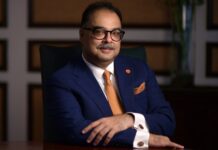
- Central Committee: Kamran Arshad, CEO, Ghazi Fabrics International, and Chairman, APTMA.
- Lahore Committee: Asad Shafi, CEO, Sheikhupura Textile Mills, and Chairman, APTMA North.
- Faisalabad Committee: Naveed Gulzar, CEO, Crescent Cotton Mills Limited.
APTMA expressed confidence that the inclusion of its nominees would make the committees more representative and effective in resolving exporters’ concerns. It also reaffirmed its commitment to working closely with the FBR to improve tax compliance, facilitate exports and support the government’s drive to create a transparent and business-friendly tax regime.
The development comes as the government seeks to accelerate export-led growth by removing procedural bottlenecks, strengthening engagement with exporters and improving the ease of doing business. Industry observers believe the composition of the Exporter Facilitation Committees will play a critical role in determining whether the new mechanism succeeds in building trust between the tax administration and the country’s export sector.