
By SKM
January 15, 2025
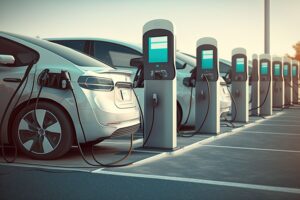
ISLAMABAD: The government has reduced the electricity tariff for charging stations by 44 percent to Rs39.70 from Rs71 per unit to encourage the masses to use electric vehicles at the maximum, paving the way to make the country environmentally clean. The government has set the target to ensure 30 percent electric vehicles running on roads by 2030
The landmark step will not only help reduce the three times traveling cost but will also reduce the reliance on petrol and other fuels which are mostly imported. This means it will also cause a substantial reduction in the oil import bill as well.
According to estimates, there are 10 million motorbikes in the country, which use petrol valuing $6 billion per annum. The government intends to convert the motorbikes to electricity charging technology which will cost Rs50,000 per one-wheeler. The cost to be incurred in converting one motorcycle to electricity technology will be recovered in 4 months.
The three-wheelers (Rakshaws) would also be converted into electricity technology. This would also slash the travelling cost within the cities which will also help reduce the freight charges and scale down the hazardous gas emissions. This will also help mitigate the worsening air pollution and smog-like situations. The charging stations and alternate battery systems will be developed on streets and roads which will help provide employment to the unemployed youth. Now the permission for setting up charging stations and battery points will be attained on concessional rates within 15 days.
To this effect, the power division’s attached department of NEECA (National Energy Efficiency & Conservation Authority) has established a one-window facility. The interested people and parties can upload the registration of their companies on the official website of NEECA.
And to create a competitive market across the country and allure local and foreign investment, the laws and regulations have also been made easier. The registration fee has been set at Rs50,000. After the implementation of the regulations, the projected target that has been set is to ensure 30 percent electric vehicles running on roads by 2030. Ends