By SKM
April 7, 2025
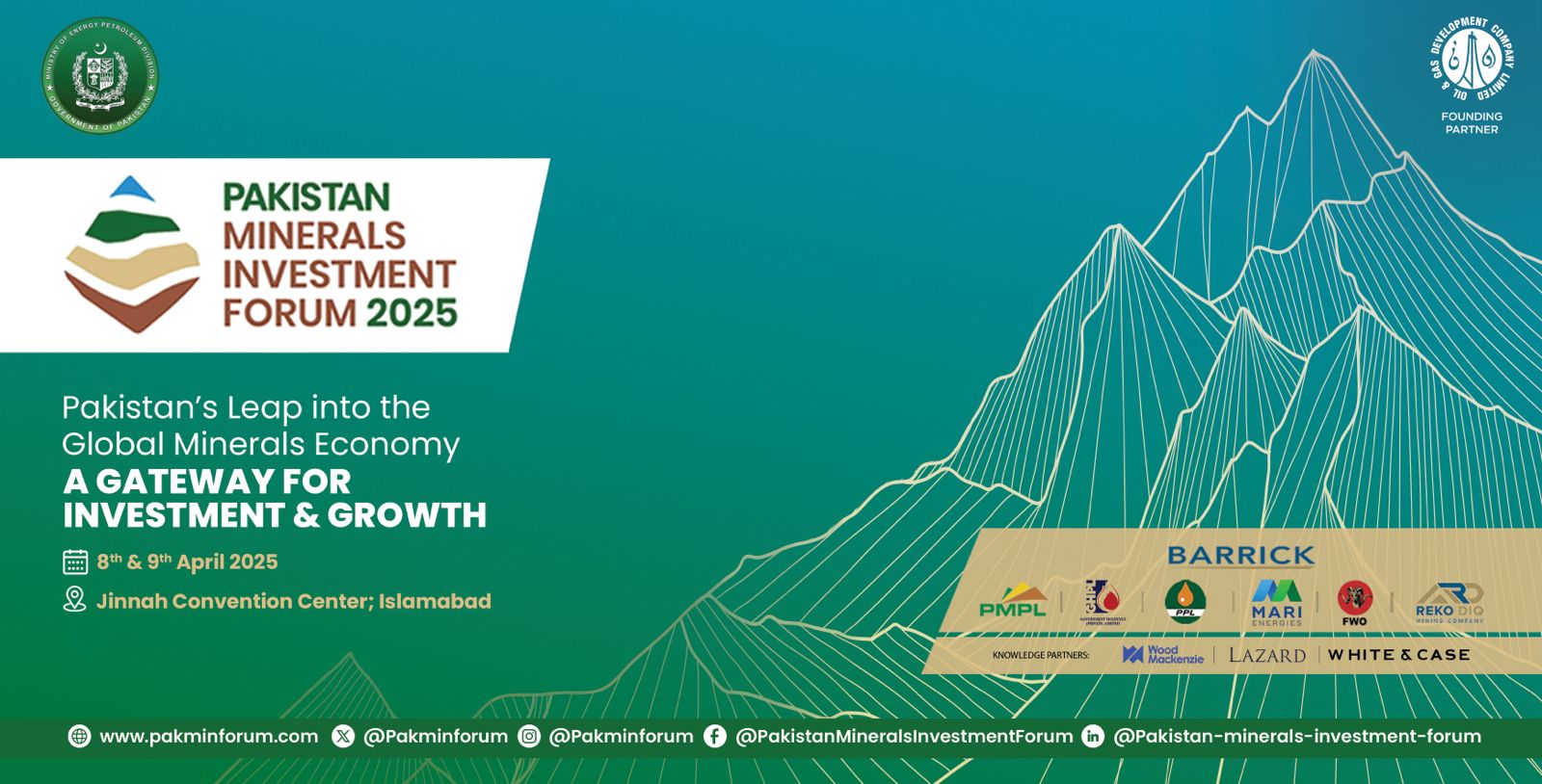
ISLAMABAD: The government is all set to market its mineral-rich landscape, which covers an outcrop area of approximately 600,000 square kilometers in the country, at the Pakistan Minerals Investment Forum 2025 (PMIF25) to be held tomorrow for two days on April 8-9 next month.
The forum will serve as a premier platform for global stakeholders, foreign investors, leading corporations, policymakers, international diplomats, financial organizations and industry experts to explore lucrative opportunities in the country’s mining sector.
“Pakistan’s mineral landscape is a sleeping giant with immense economic potential. Through strategic investments, infrastructural improvements and value addition, the mining sector can become a key driver of national economic growth.
A key highlight of the investment forum will be the official launch of the National Minerals Harmonisation Framework 2025 by the federal government which is aimed at attracting investment in the country’s mineral sector. The mineral sector will be given industrial status which will help proliferate the mineral business across the country. The framework will provide incentives to local and foreign investors, streamline mining regulations and facilitate public-private partnerships.
Prime Minister Shehbaz Sharif will deliver the policy speech on the opening day of the event on April 8. Chief of Army Staff General Asim Munir will also address the forum.
Finance Minister Mohammad Aurangzeb, Deputy Prime Minister Ishaq Dar, Minister for Energy Ali Pervaiz Malik and Commerce Minister Jam Kamal Khan will be key speakers at the event.
The US will be represented at the forum by Senior Bureau Official for the Bureau of South and Central Asian Affairs, Eric Meyer, to advance US interests in the mineral sector. Foreign investors and experts are arriving in Islamabad to attend the two-day Minerals Investment Forum beginning tomorrow.
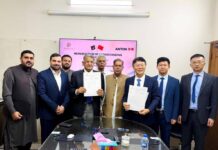
Deputy Director General Asian Development Bank Catherine Marsh and a delegation from the Xi’an Geological Survey Center of China have arrived in the capital to attend the forum. The Deputy Director General ADB expressed optimism for the development of the minerals through this important investment forum.
The project manager of Xi’an Geological Survey Center also extended his best wishes for the forum. Delegates from Saudi Arabia will also attend the investment forum.
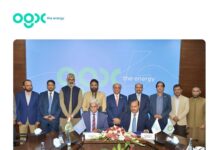
Oil and Gas Development Company Limited (OGDCL), Pakistan’s leading exploration and production (E&P) company, in collaboration with the Government of Pakistan and strategic partners will organize the Pakistan Minerals Investment Forum 2025 (PMIF25) at the Jinnah Convention Centre in Islamabad. Under the patronage of the Special Investment Facilitation Council (SIFC) and Ministry of Energy (Petroleum Division), OGDCL is at the forefront of this landmark event to showcase the country’s immense untapped mineral wealth. Partners for the event include Barrick, Pakistan Petroleum Limited (PPL), Government Holdings (Private) Limited (GHPL), Pakistan Minerals Private Limited (PMPL), Frontier Works Organization (FWO), Mari Energies, and Reko Diq Mining Company (RDMC).
Despite its huge potential, the mineral sector currently contributes around 3.2pc to the country’s GDP, with exports accounting for only 0.1pc of the world’s total. However, with increasing exploration, foreign investment, and infrastructural improvements, Pakistan’s mining industry is poised for significant expansion.
“With 92 known minerals, 52 of which are commercially exploited, Pakistan produces an estimated 68.52 million metric tons of minerals annually. The sector supports over 5,000 operational mines and 50,000 Small and Medium Enterprises (SMEs), providing direct employment to 300,000 workers,” the official said.
Some of the country’s most notable mineral reserves include world’s second-largest salt mines, the fifth-largest copper and gold deposits and significant coal reserves. Furthermore, the country holds vast quantities of bauxite, gypsum and precious stones, such as ruby, topaz and emerald, which offer considerable export potential.
Pakistan’s mining sector is increasingly attracting foreign investment, with global firms eyeing the country’s untapped mineral reserves. The Reko Diq copper and gold project, located in Balochistan’s Chagai district, is the world’s largest untapped copper reserve and stands as a milestone for Pakistan’s mining ambitions.
The project, revived by Canada’s Barrick Gold, is expected to start producing copper and gold by 2028, with an initial investment of $5.5 billion. According to Mark Bristow, CEO of Barrick Gold, which owns a 50pc stake in the project, the reserve is expected to generate approximately $74 billion in free cash flow over the next 37 years, based on consensus long-term prices.
The mine is anticipated to generate $2.8 billion in annual exports, creating thousands of jobs and transforming the local economy. A planned expansion will further increase copper production to 400,000 tonnes and gold output to 500,000 ounces per year, with an additional investment of $3.5 billion.
Under an intergovernmental transaction agreement, the federal cabinet has approved the sale of a 15pc stake in the Reko Diq project to Saudi Arabia. Saudi mining company Manara Minerals will acquire a 15pc stake in the mining project, potentially involving an investment of $1 billion.
The official said, “Pakistan’s commitment to infrastructure development is crucial to unlocking the full potential of mining industry. The China-Pakistan Economic Corridor (CPEC) is playing a pivotal role in transforming the transportation and export logistics of mineral resources. Gwadar Port and Port Qasim are set to enhance mineral exports, while improved road and rail networks will facilitate better connectivity between mining regions and industrial hubs”.
Logistics for the Reko Diq mine would be managed through a railway track that is being established in partnership with Pakistan Railways. The railway tracks would essentially entail moving mining supplies to the mine from Karachi and eventually exporting copper concentrate and gold from the mine to Karachi for export.
Beyond Reko Diq, Balochistan holds over 40 minerals, including oil, gas, uranium and coal, with the potential to fuel Pakistan’s energy and industrial needs for a century. Efforts are also underway to establish refineries, which will allow Pakistan to move up the value chain and reduce reliance on raw material exports. Ends
| ReplyForward |