
By SKM
March09, 2025
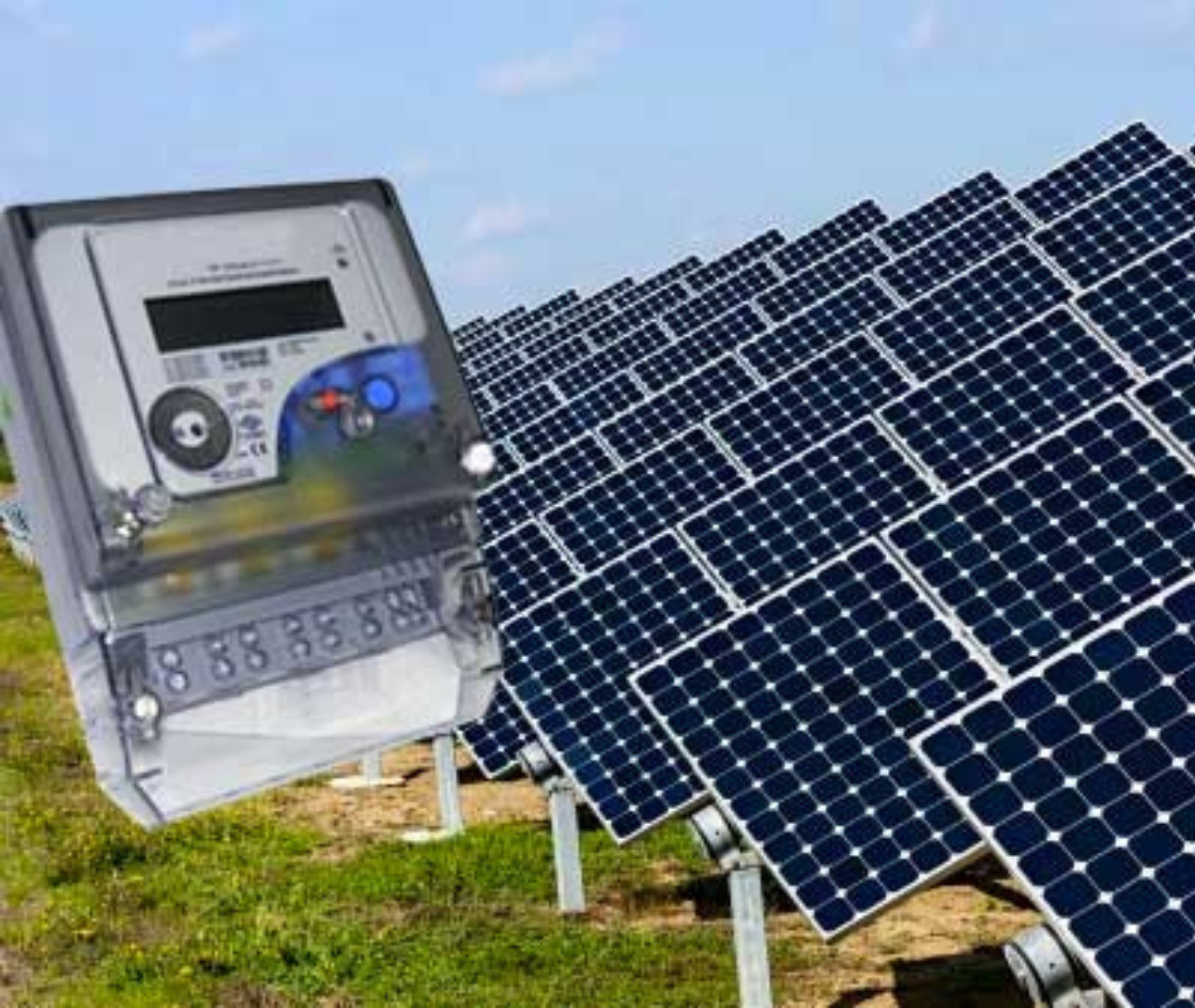
ISLAMABAD: In a rare, but alarming development, the poor have started providing a subsidy of Rs159 billion to the rich enjoying roof panel net-metering facility as the number of net metering consumers has alarmingly increased to 283000.
This has been disclosed in the latest data of the power division showing the adverse impact of the high-income class using net metering facility on the non-privileged segment of the society using only grid electricity. The data also available with Exclusivewaves.com.pk also shows that the poor are providing a subsidy of Rs159 billion to the elite class by paying an additional increase in tariff of Rs1.50 per unit. The net metering consumers are not paying the grid storage cost and capacity payment of the plants which do not run because of the solar panels additions.
According to the data, the number of roof solar net meeting consumers have increased to 283000 till now from 226440 registered in October 2024 showing the fact that in the last 4 months, more solar roof panels of 800 MW have been added to the system putting more burden on the consumers who are relying only on grid electricity.
The top mandarins of the power division feared if the new policy is not introduced on time, then in the next 10 years, the burden on the system because of the existing rooftop solar policy would exceed the staggering figure of Rs503 billion which would be passed on to the poor consumers. “We have pinpointed the flaws of the existing policy with the top decision-makers, but the government because of the political compulsions is showing hesitance from bringing the required changes in the existing policy.”
Till October, 2024 the high-income consumers transferred the burden of Rs103 billion to the underprivileged consumers just because of the government’s inability to come up with policy intervention on time.
The official documents reveal that the high-income strata of society, living in posh areas in 8 big cities of the country, has taken an advantage of the decreasing prices of solar technology and not only managed to scale down their electricity cost by 35 percent per month, but they caused the transfer of the burden of the Rs103 billion till October 2024 to the consumers who have not installed rooftop solarization systems.
In the year, 2021, there were connections of solar net metering of 321 MW of electricity which have now increased to 3277 MW in three years in 2024. The official documents also show that solar connections with net metering can go up to 12377MW of electricity by the year 2034. The documents also reveal that 80 percent consumers of Lahore, Karachi, Islamabad, Gujranwala, Faisalabad, Multan, Peshawar, Sialkot and Rawalpindi have joined the net metering system.
However, the officials said that the government has started working to bring down the buyback tariff of net metering consumers to Rs8-9 per unite from existing Rs27 per unit with enforcement of gross metering.
Under the plan, the national grid will buy electricity from rooftop solar at Rs8-9 per unit instead of the current rate of Rs27 per unit. More importantly, the gross-meting mechanism may replace the existing net-metering system.
“The relevant authorities’ want the introduction of the new policy under which solar consumers will get back their investment on rooftop solars in 4-5 years, not in two years,” one of the top officials of the Energy Ministry told Exclusivewaves.com.pk
The gross metering differs from the net metering in terms of the working strategy. In gross metering, the electricity that is produced by the solar system, one cannot use it directly. Two electric meters operate in this regard. The first one allows the export of all the generative electricity to the grid station, while the other calculates the units of imported electricity. The tariff prices of both electric meters are different from each other. The prices of the units that import are higher as compared to the units that export. Therefore, one cannot get a zero electricity bill. You have to pay at least a little, but not a zero.
The net metering first fulfills the system’s desire and provides the required load, and then it is fed back to the grid station if the system generates an excessive amount of electricity. It takes a little electricity from the grid station only when solar does not produce electricity. Ends
.